

Deborah Leaver
BACP registered member
Next appointments
No online slots in the next 14 days — view the profile for more dates.
sleep
Struggling to sleep can affect every aspect of your life. Persistent difficulties falling asleep, staying asleep, or waking too early often lead to exhaustion and frustration. This goes beyond occasional restless nights. It impacts your mood, concentration, and overall well-being. Online Cognitive Behavioural Therapy for Insomnia (CBT-I) offers a structured approach to address these sleep challenges. It helps you develop lasting habits for better, more restorative sleep.

Insomnia is not simply a bad night's sleep; it is a persistent pattern of difficulty initiating or maintaining sleep. This occurs despite having adequate opportunity for rest. This often leads to daytime fatigue, irritability, and difficulty concentrating. While sleeping pills might offer a temporary fix, they do not address the root causes of insomnia. Cognitive Behavioural Therapy for Insomnia (CBT-I) is recognised as an effective long-term treatment for chronic insomnia. It provides strategies that help retrain your brain for improved sleep.
CBT-I is a specialised form of cognitive behavioural therapy tailored specifically for sleep problems. It focuses on identifying and changing the thoughts, feelings, and behaviours that interfere with healthy sleep patterns. This therapy goes beyond simple sleep hygiene tips. It provides a structured programme designed to improve the quality and duration of your sleep. The goal is to help you restore your natural ability to sleep soundly without reliance on medication. Our online CBT process is particularly suited for CBT-I. It allows for consistent tracking and application of techniques from the comfort of your home.
Insomnia often involves a negative cycle where worry about sleep itself creates more wakefulness. This is called sleep-related anxiety or hyperarousal. When you cannot sleep, you might start to dread bedtime. This increases your body's sympathetic nervous system activity, making it harder to relax and fall asleep. CBT-I helps break this cycle by addressing both the cognitive (thought patterns) and behavioural aspects of insomnia. Cognitive restructuring teaches you to challenge unhelpful beliefs about sleep. Behavioural techniques help you re-establish healthy sleep habits and associations with your bed and bedroom. If you find yourself frequently overthinking when you should be sleeping, our article on Stop Overthinking offers additional insights into calming racing thoughts.
CBT-I employs several core techniques. All of these are adapted for online delivery:
Sleeping pills can provide short-term relief for insomnia. However, they do not resolve the underlying issues. Many people develop a dependence on them. Their effectiveness can diminish over time. CBT-I, in contrast, offers a sustainable, non-pharmacological approach. It teaches you skills you can use for life. This empowers you to manage your sleep independently. While pills might mask symptoms, CBT-I addresses the thoughts and behaviours that perpetuate chronic insomnia. It leads to lasting improvements in sleep quality and daytime functioning. Our qualified therapists, such as Claire Draper, who has 16 years of experience, are adept at guiding you through this process.
Our team of 40 therapists includes professionals experienced in delivering CBT-I. For example, Elcin Ambrose, a BACP member, offers therapeutic counselling that can incorporate CBT-I techniques. Clare Benzikie, also a BACP member with 12 years of experience, is another experienced counsellor who can help. Chantelle Bourne, an Accredited Professional Member of NCPS, provides CBT and REBT therapy for adults, which can be applied to sleep issues. Mark Reumel, with 9 years of experience, offers CBT and counselling for stress and anxiety, common contributors to insomnia. Deborah Leaver, a BACP and NCPS member, works with individuals on a range of issues including sleep difficulties. Andrew Spencer, with 20 years of experience, offers individual therapy that can address the psychological aspects of sleep disturbance. Emma Parkins, a BACP member, offers integrative counselling which includes CBT strategies. Andrew Allan also offers counselling for adults, helping with anxiety and stress. Ashleigh Johnson, an accredited Psychotherapeutic Counsellor, works with anxiety and stress. Jessica Grante offers therapeutic counselling for issues including anxiety. These therapists provide individual counselling sessions at £68 for 60 minutes.
Starting your journey to better sleep with us is designed to be straightforward and accessible. Our team offers dedicated online CBT for insomnia. You can begin by using our "Find the Right Therapist for You" tool. This tool helps you select a therapist based on your specific needs. Here is how our process works:
You can also view our straightforward session pricing before booking. We aim to provide clear and transparent information throughout your therapy journey.
If you are in distress and need urgent support, please contact Samaritans on 116 123, NHS 111, or dial 999 in an emergency. These services are available 24 hours a day, every day.
Written and clinically reviewed by Sian Jones, Founder & CBT Therapist.
Last reviewed: 2 August 2026
Answer a few short questions and we will match you with therapists who have availability this week.
Find the Right Therapist for YouTherapy is personal and outcomes vary. This service does not diagnose, guarantee outcomes or replace urgent mental health care.
Real therapists, real availability
Every therapist is qualified, insured, and registered or accredited with a recognised professional body, with their exact membership status and approaches shown on their profile. Appointment times below are live.
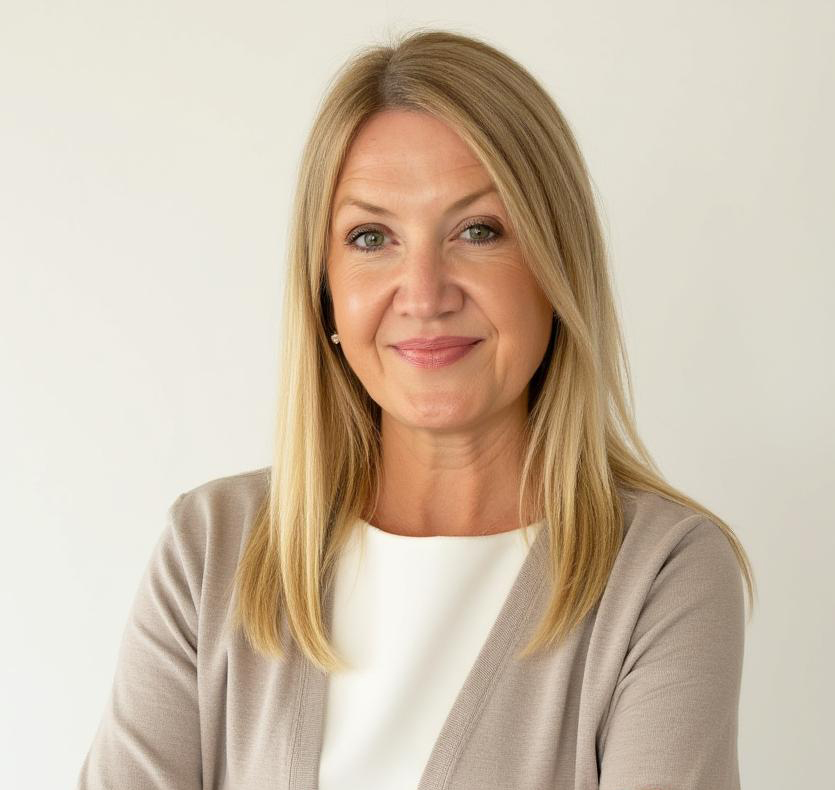
Deborah Leaver
BACP registered member
No online slots in the next 14 days — view the profile for more dates.
Chantelle Bourne
NCPS registered member
No online slots in the next 14 days — view the profile for more dates.

Mark Reumel
NCPS registered member
No online slots in the next 14 days — view the profile for more dates.

Andrew Spencer
NCIP registered member
No online slots in the next 14 days — view the profile for more dates.

Elcin Ambrose
BACP registered member
No online slots in the next 14 days — view the profile for more dates.
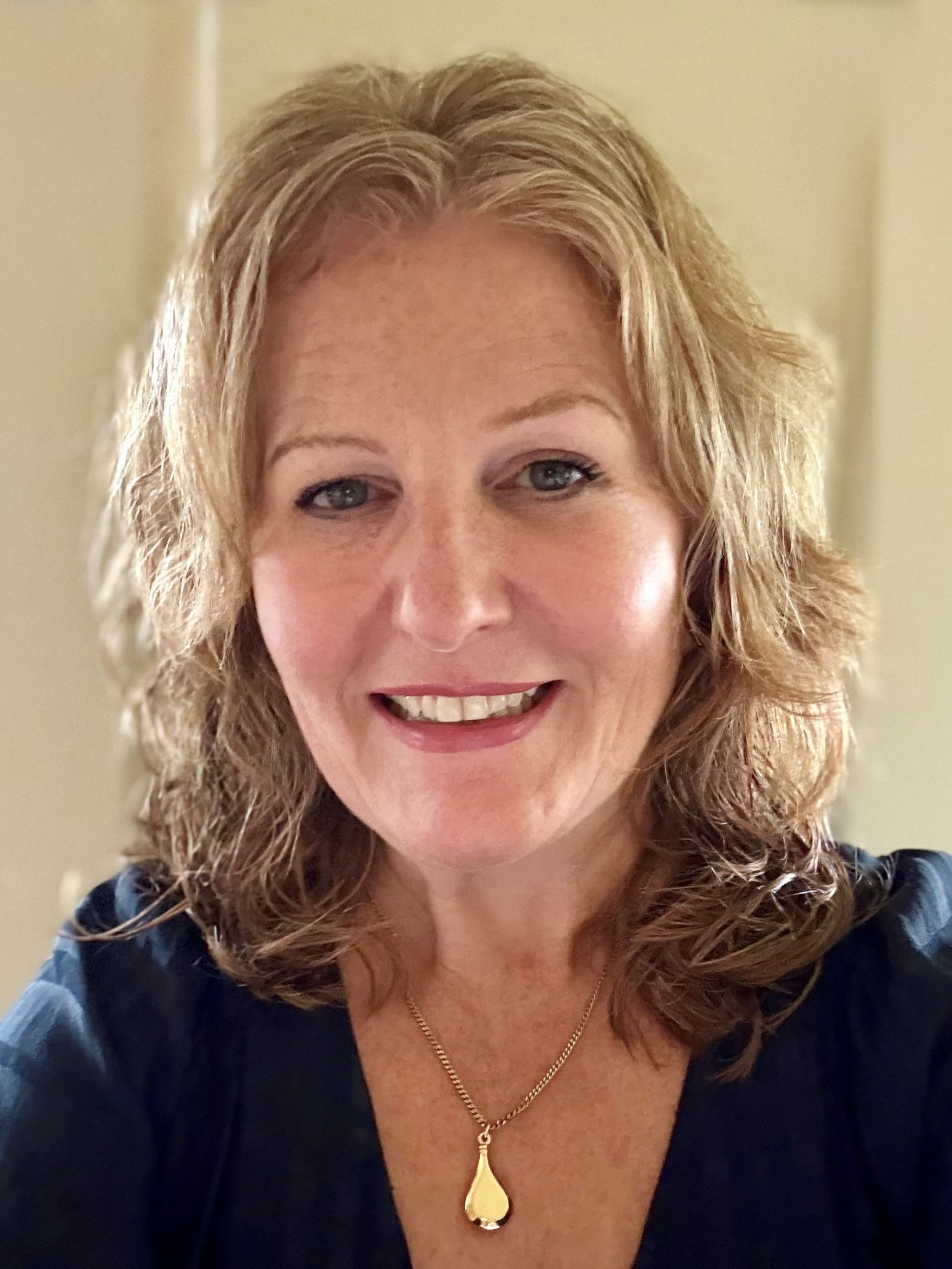
Clare Benzikie
BACP registered member
No online slots in the next 14 days — view the profile for more dates.
Relationship struggles need a different kind of support.
Our sister platform, OnlineCouplesCounselling.com, specialises in couples therapy with qualified UK relationship therapists — book secure online sessions together.