
Is Online Counselling Right for Me? What It’s Really Like
The thought has probably crossed your mind, maybe late at night or during a quiet moment. Things feel heavy, and you know you need to talk to someone. But the idea of finding a therapist, arranging travel, and sitting in a strange room just feels like another task on an already overwhelming to-do list.
And so, you consider the alternative. Online counselling. You’ve seen it mentioned, but a dozen questions immediately pop up. Will it feel awkward talking to a stranger on a screen? Can you really build a connection through a laptop? Is it as effective as meeting in person?
These hesitations are completely normal. For many, the idea of therapy is tied to the image of a quiet, physical room. The thought of virtual counselling can feel a bit strange and impersonal. But what I’ve seen time and again is that for many people, it’s the very thing that makes getting support possible.
Let’s talk about the doubts
One of the biggest questions people have is about the connection. Can a therapist really understand you without being in the same room? It’s a fair question. From our perspective as therapists, the core of our work isn't about the physical space; it’s about listening. It’s about paying attention to your words, your tone, and the things you find difficult to say.
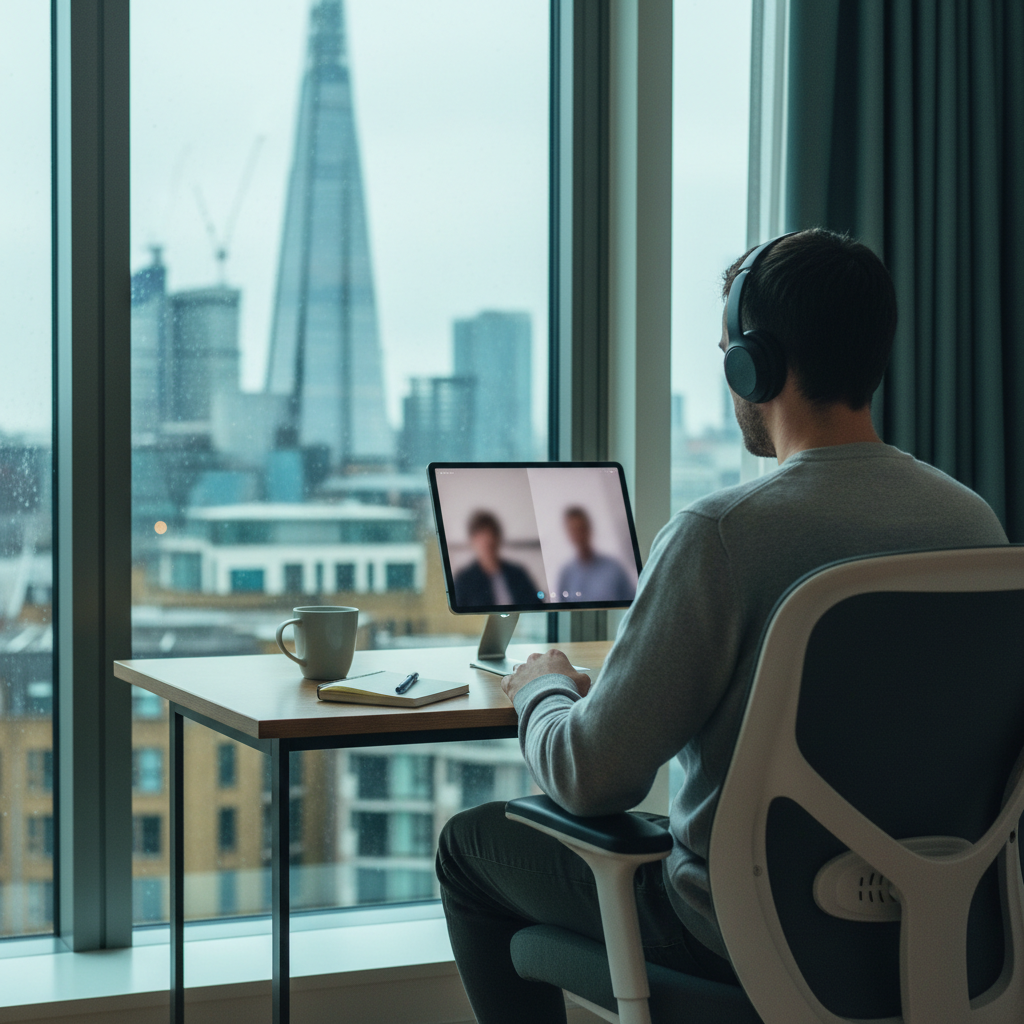
Surprisingly, I've found that some people open up *more* freely online. Being in your own home, perhaps with a pet nearby or a familiar mug in your hand, can remove a layer of anxiety. You don’t have the stress of a commute, finding parking, or navigating an unfamiliar building. You just have to find a quiet spot and log on.
Then there’s the technology. What if it’s complicated? What if the connection drops? We use a simple, secure platform that’s as easy to use as any other video call app you might be familiar with. We’re here to make the process smooth, not to add another technical headache to your life.
How can online therapy actually help?
When you’re struggling, practicalities matter. Online counselling offers a level of flexibility that traditional therapy often can’t. It means you can access consistent, professional mental health support from anywhere in the UK, fitting it around your life, not the other way around.
This is particularly helpful if you’re dealing with specific challenges:
- Anxiety and Overwhelm: When you feel anxious, leaving the house can be a huge challenge. The ability to access support from your own safe space can be incredibly helpful. This is also true if you feel overwhelmed by a condition like ADHD, as discussed in our post on Why Does My ADHD Make Everyday Life Feel So Overwhelming?.
- Low Mood and Depression: Motivation can be at rock bottom when you’re feeling low. Removing the barrier of travel might be the difference between attending a session and cancelling it. Just being able to talk can be the first step towards feeling a bit lighter.
- Stress and Burnout: If you're feeling completely drained, the last thing you need is more pressure. Virtual counselling allows you to get support without adding to your load. That feeling of running on empty is something we explore in Why Do I Feel Emotionally Exhausted All the Time?.
- Sleep Problems: Lying awake with your mind racing is exhausting. CBT is a very effective approach for insomnia, and being able to do that work via CBT online means you can get help without disrupting your routine. We touch on this in our article When You’ve Tried Everything and Still Can’t Sleep.
Often, the things we struggle with today are rooted in our history. Talking things through in therapy can help you understand why the past still affects your everyday life and find new ways of moving forward.
What to expect from your first online session
The first session isn't a test or an interrogation. It’s simply a conversation. It’s a chance for you to talk about what’s been going on for you, and for us to start understanding how we might be able to help. It