
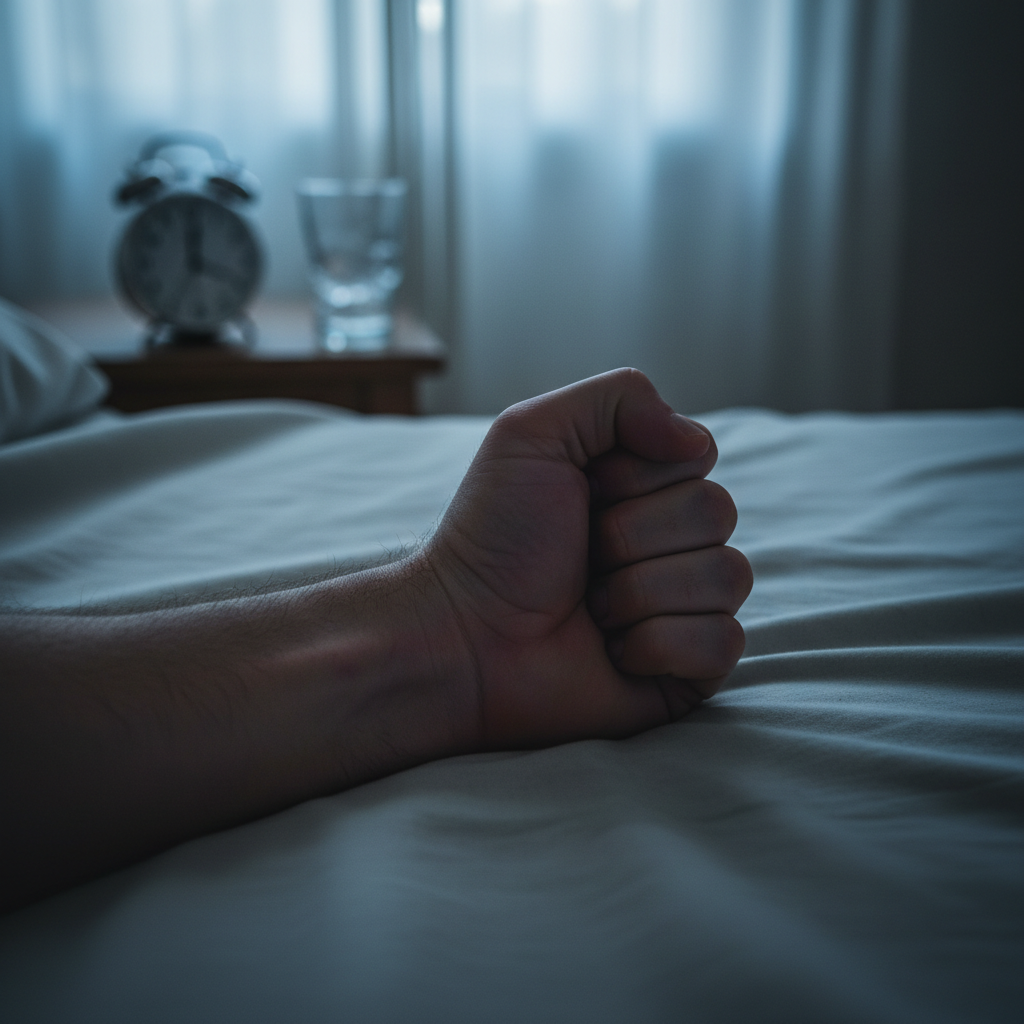
That sudden jolt in your chest while you’re just standing in the supermarket queue. The unexplained stomach churn that has nothing to do with what you’ve eaten. Sometimes, the first sign that anxiety is becoming a problem isn’t a worried thought, but a baffling physical sensation. And if you’ve been struggling with these feelings, you might be looking for answers and support. That's where professional online counselling can provide clarity and a way forward, right from your own home.
Many people I speak to have been to their GP, had tests run, and been told, “there’s nothing physically wrong.” This can be both a relief and a deep frustration. If it’s not physical, what is it? And why does it feel so real?
The answer often lies in our body's own protective system. When our brain perceives a threat (whether that’s a real danger or a persistent worry about work), it triggers the release of stress hormones like adrenaline and cortisol. This is the classic ‘fight or flight’ response, designed to prepare us for action. But when you live with ongoing anxiety, this system can become stuck in the ‘on’ position, leading to persistent physical symptoms.
1. That Constant, Gnawing Stomach Ache
Do you get a tight, churning feeling in your stomach before a big meeting, or even just when you think about your to-do list? This is incredibly common. The mind and gut are closely linked. When you’re anxious, your body diverts blood away from the digestive system, which can cause cramping, bloating, nausea, or that tell-tale ‘butterflies’ sensation. For some, this can even mimic the symptoms of Irritable Bowel Syndrome (IBS).
2. Unexplained Muscle Tension and Pain
Are your shoulders permanently hunched up by your ears? Do you wake up with a sore jaw from clenching it all night? This is your body staying on high alert. Chronic muscle tension is a direct result of the fight-or-flight response keeping your muscles primed for action. Over time, this can lead to persistent tension headaches, a stiff neck, a sore back, and general aches and pains you can’t seem to shift.
It’s a physical exhaustion that builds up day after day. A lot of my clients mention this is a key reason they wonder, 'Why can't I switch my brain off at night?'. The body is simply too tense to rest properly.
3. A Racing or Pounding Heart
This is perhaps one of the most frightening physical symptoms. A sudden flutter, a skipped beat, or the feeling of your heart pounding in your chest can make you think the worst. It can even make you feel like you are having a panic attack. While it’s absolutely vital to get any heart-related symptoms checked by a doctor first, palpitations are a hallmark sign of anxiety. It’s your body being flooded with adrenaline, causing your heart to beat faster and harder to pump blood to your muscles.
This often goes hand-in-hand with a mind that tends to jump to worst-case scenarios, a pattern we often explore in therapy.
4. Dizziness and Feeling Light-Headed
Have you ever stood up and suddenly felt dizzy or unsteady on your feet? Or had a moment where the room feels like it’s swaying slightly? Anxiety can affect your breathing, sometimes causing you to breathe too quickly or shallowly (hyperventilation) without even realising it. This changes the levels of oxygen and carbon dioxide in your blood, which can directly lead to feelings of dizziness, light-headedness, and even tingling in your hands and feet.
5. Persistent Tiredness and Fatigue
It’s a strange paradox: anxiety makes you feel ‘wired’, yet you’re completely exhausted. Your mind might be racing, replaying conversations or worrying about the future, but your body is running on empty. This is because being in a constant state of high alert is draining. It uses up a huge amount of physical and mental energy, leaving you feeling depleted, even after a full night’s sleep (if you can get one).
How Online Counselling Can Help You Understand Your Body
Recognising these signs is the first step. The next is understanding what to do about them. This is where online counselling, particularly with approaches like Cognitive Behavioural Therapy (CBT), becomes so effective.
In our sessions, we don’t just talk about your worries; we connect them to your physical experiences. We work together to:
- Map the connection: We’ll look at the specific thoughts or situations that trigger your physical symptoms. You might start to see a pattern you never noticed before.
- Learn to regulate your body: Instead of being at the mercy of these sensations, you can learn simple, effective techniques (like specific breathing exercises) to calm your physical nervous system down in the moment.
- Challenge the thoughts: CBT helps you to catch and question the anxious thoughts that fuel the physical response. We often work on how to stop overthinking without fighting your thoughts, which can reduce the overall level of adrenaline in your system.
The convenience of online sessions means you can do this important work from a place where you already feel comfortable and secure – your own home. There’s no travel, no waiting rooms, just a dedicated space for you.
A Few Questions People Often Ask
Shouldn’t I see my GP first?
Absolutely. It is always wise to consult your doctor to rule out any underlying medical causes for your symptoms. Once that's done, exploring the anxiety connection is a logical next step.
Can anxiety really cause such strong physical feelings?
Yes. The physical response to stress and anxiety is powerful and very real. It’s not “all in your head”; it’s in your body, and acknowledging that is key to managing it.
How long does therapy take?
There’s no set timeline. We work on a session-by-session basis, allowing you to go at your own pace without any long-term commitment. Our fee is £68 for a full hour session.
Taking the First Step
Understanding that your body is reacting to stress, not failing you, can be a huge relief. These physical signs are simply signals that your system is overloaded and needs some support. If what you’ve read here resonates with you, please know that you can learn to manage these feelings and feel more in control.
If you'd like to explore how we can help, we invite you to get in touch to book an initial online session. It’s a confidential, straightforward step towards feeling better.
Written by Sian Jones, Founder of Online CBT Counselling. Sian has extensive experience helping individuals manage anxiety, stress, low mood and other emotional challenges.